
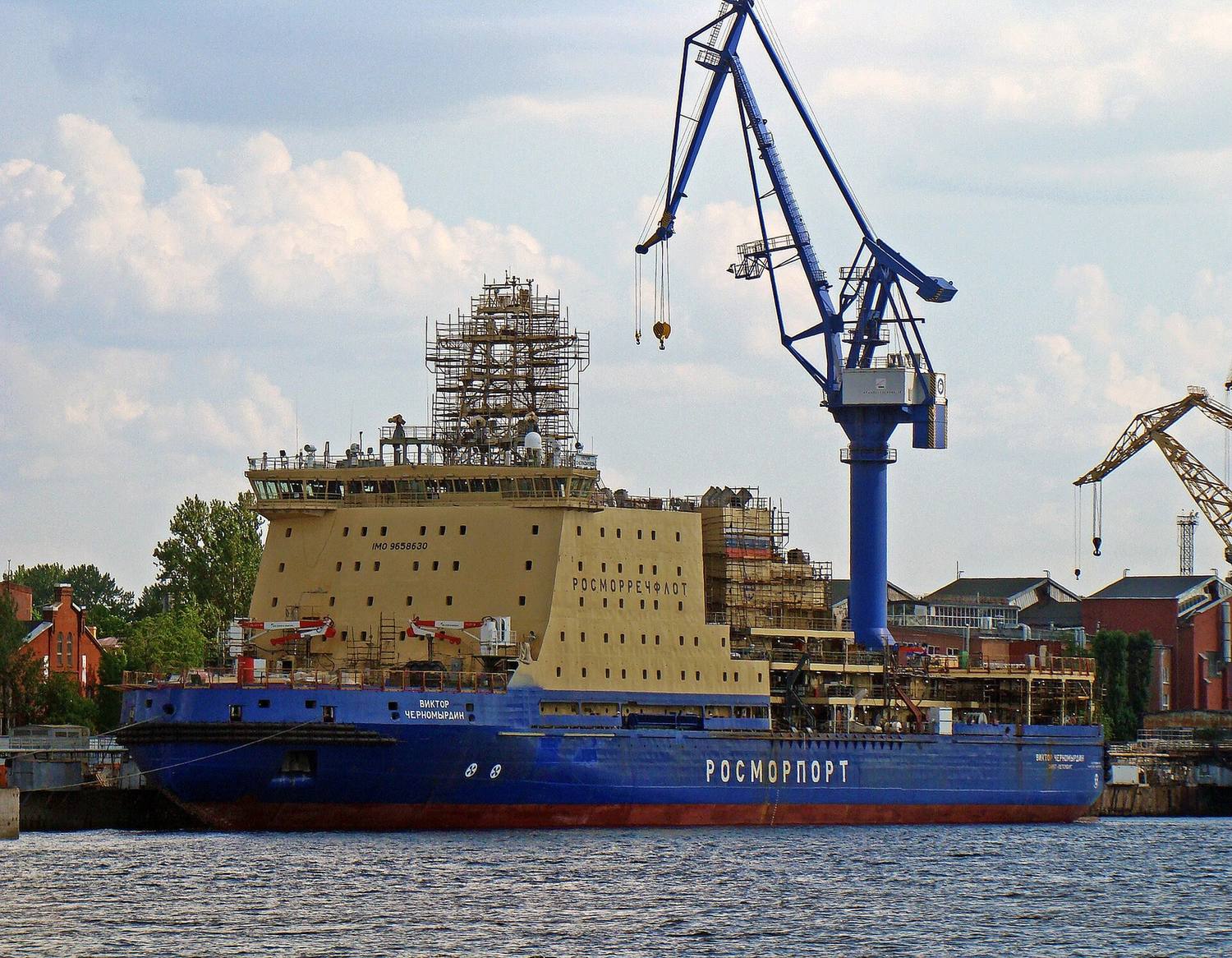
A vessel can be delivered to a high technical standard and still lose its builder a great deal of money. Newbuilding, conversion and repair projects combine a one-off product, a permanent shipyard running several contracts at once, many subcontractors and a contract that allocates risk between owner and yard. Managing them well needs planning, estimating, build strategy, progress control and contract management tailored to the marine environment. This intermediate-level course covers how newbuilding, conversion and repair projects are planned, estimated, strategised, monitored and contracted, always with an eye on how the ideas apply in a working shipyard. Topics include what sets project work apart from day-to-day operations, the human and stakeholder side of delivery, the layers of shipyard planning, product- and system-based breakdowns of the work, the role of a build strategy in tying departments together, and the control of progress, contracts, payments and change.
Course at a glance: Duration 20 hours · Self-paced online · Level: Intermediate · 8 sections, 31 lessons, a 123-page downloadable course book
What you will learn
- Explain how marine projects differ from routine operations and identify stakeholder and people factors that influence outcomes.
- Analyse the hierarchy of marine project planning and relate planning levels to shipyard operations.
- Apply product- and system-oriented breakdown concepts (PWBS and SWBS) to structure marine project work and cost categories.
- Explain estimating methods and how estimating accuracy matches the stage of project definition.
- Evaluate how a build strategy integrates design, production, purchasing, quality and testing.
- Apply deliverable-based progress measurement to monitor cost and schedule.
- Compare contract structures, payment terms and contract change management in shipbuilding and repair.

Inside the course: a high-level summary, section by section.
People, change and governance
The course begins with the human side of projects. Every project brings change, and the hardest part is frequently persuading individuals, departments and partner organisations to pull in one direction. The course looks at where resistance to change comes from, why cooperation breaks down at organisational interfaces and what alignment means in a yard environment. The project manager’s role therefore includes organising, motivating and controlling the team, not only scheduling and estimating. Stakeholders, including owners, yard management, designers, subcontractors, classification societies and regulators, each have interests that must be identified and managed, and governance and stakeholder management are treated as part of the project foundation rather than an administrative add-on. Recognising these factors early helps projects avoid many of the conflicts that later appear as cost and schedule problems.
Why marine planning differs
Marine projects are not simply big projects. Ships rank among the biggest objects people build, and because they must move and operate at sea they are in many ways more complex than large civil works. Planning is distinctive because of the split nature of the work: the yard is a permanent, established site, while the vessel is a one-off product. Planning must therefore work at several levels at once: from the company’s overall direction, through control of each contract and the work of individual departments, down to the management of single work packages. Building the project plan and analysing the strategic network and its risks show how these levels connect.
Breaking the project down
A large ship project can only be controlled once it is divided into smaller pieces. A well-designed work breakdown structure underpins estimating, planning, control, allocation of responsibility and subcontracting, yet no one breakdown suits every case; the best choice reflects the particular project, company and yard. Two breakdowns matter most in marine work. A product-oriented work breakdown structure (PWBS) organises work by the physical product, blocks, zones and stages, and suits production. A system-oriented work breakdown structure (SWBS) organises work by ship systems, and suits design, cost estimating and function. Planning units and work packages link these structures to the work actually done in the yard.
Estimating
The course explains why estimating matters: the final cost must be estimated early and updated as the project matures. Different estimating techniques suit different stages, from early order-of-magnitude checks to budgets and finally detailed resource plans, and the achievable accuracy rises as the design becomes better defined. The practical realities that make marine estimating difficult, including uncertainty in scope, productivity and material prices, are discussed. An estimating assignment applies these ideas.


Build strategy
A build strategy is best understood as the yard’s general approach to manufacturing, tailored to a single contract. The course first explains what manufacturing strategy means for a shipyard and then shows how a build strategy turns plans into joined-up action by design, production, purchasing, quality and test teams. Build strategy contents typically include the breakdown of the ship, the production sequence, make-or-buy decisions, key dates and interfaces. Risk and change management are integrated into the build strategy, because a strategy that cannot accommodate change will quickly lose control of the project.
Progress and cost control
Progress control works best when it is tied to visible outputs. Finished blocks, passed tests and accepted work packages say far more about real progress than a loosely judged percentage. A useful progress measure is specific enough to be checked against the plan, tied to the WBS so reported status matches the planning structure, and linked to cost so that schedule and budget can be monitored together. Meetings and management time are discussed as resources in their own right, and a progress control assignment applies the methods.
Contracts, payment and change
Marine contracts do more than set a price. They also set out the scope, the events that release payments and which party bears the cost when circumstances in design, production or delivery shift. Contract structures are compared in terms of how they allocate responsibility between owner and yard. Payments are normally linked to verifiable milestones so that cash follows genuine progress and arguments are reduced, and the right arrangement varies with the form of contract, the scale of the work and how risk is shared. Managing contract change, through clear procedures for variations and their effect on price and schedule, completes the course.
Why this matters in practice
Project managers, production planners, estimators, owner’s representatives and commercial staff in shipyards and ship-owning companies all deal with these challenges. Understanding marine planning, breakdown structures, estimating, build strategy, progress control and contracts helps them deliver projects on time, within budget and with fewer disputes.
Key takeaways
You leave able to explain what makes marine projects distinctive, analyse planning hierarchies, apply PWBS and SWBS breakdowns and estimating methods, evaluate build strategies, measure progress against deliverables and compare contract structures, payment terms and change management.
How you study
The course is delivered fully online and is self-paced, so you can fit roughly 20 hours of study around professional commitments. Lessons combine clear explanation with examples, diagrams and short interactive checks, and the main sections end with graded quizzes (6 in total) so you can confirm you can apply each method before moving on. A 123-page course book can be downloaded and printed for offline reading and later reference.
Course contents
- Project Management Foundations: What Makes a Project; People and Change; Stakeholders and Governance
- Marine Project Planning: Why Marine Planning Differs; Planning Hierarchy; Building the Project Plan; Strategic Network and Risk
- WBS and Cost Estimating: Why Break Projects Down; PWBS and SWBS; Planning Units and Work Packages; Estimating Accuracy and Methods; Estimating Assignment
- Build Strategies: Manufacturing Strategy Basics; What a Build Strategy Does; Build Strategy Contents; Risk and Change Management
- Progress, Meetings, and Time: Deliverable-Based Progress; Monitoring Cost and Schedule; Meetings and Management Time; Progress Control Assignment
- Contract Management: Contract Structures and Risk; Terms of Payment; Managing Contract Change
- Summary: Key Takeaways
Who this course is for
This course is for engineering graduates, shipyard project managers, planners, estimators, owner’s representatives and commercial staff. Learners should have an engineering degree or comparable experience, plus some familiarity with how ships are built or repaired.
Frequently asked questions
How long does Marine Project Management take?
The course is designed for about 20 hours of study. It is self-paced and fully online, so you can spread it over a few weeks or complete it more quickly.
What is covered?
The course is organised into 8 sections with 31 lessons, moving from foundations to applied methods, as summarised above.
Is there material to keep after the course?
Yes. A downloadable 123-page course book accompanies the lessons for offline reading and later reference.
How is progress checked?
Each main section closes with a graded quiz (6 in total, with a pass mark of 80%). The quizzes test understanding of the concepts and methods explained in the lessons rather than memorisation, and you can review the relevant lessons before attempting them.
Can I record this study for my own professional development?
Yes. The course notebook includes a self-assessment of the course objectives before and after study, a reflection page and a learning log, which you can use to keep your own record of professional development.
Level: Intermediate
Duration: 20 hours
Related courses: N03 – Project Risk Management for Maritime Projects; L03 – Ship Production Organization Project; N01 – Maritime Economics; L01 – Introduction to Ship Production
Enrol
Study at your own pace and work through the full course material, worked examples and section quizzes. Enrol in N02 – Marine Project Management →
Recent Comments