
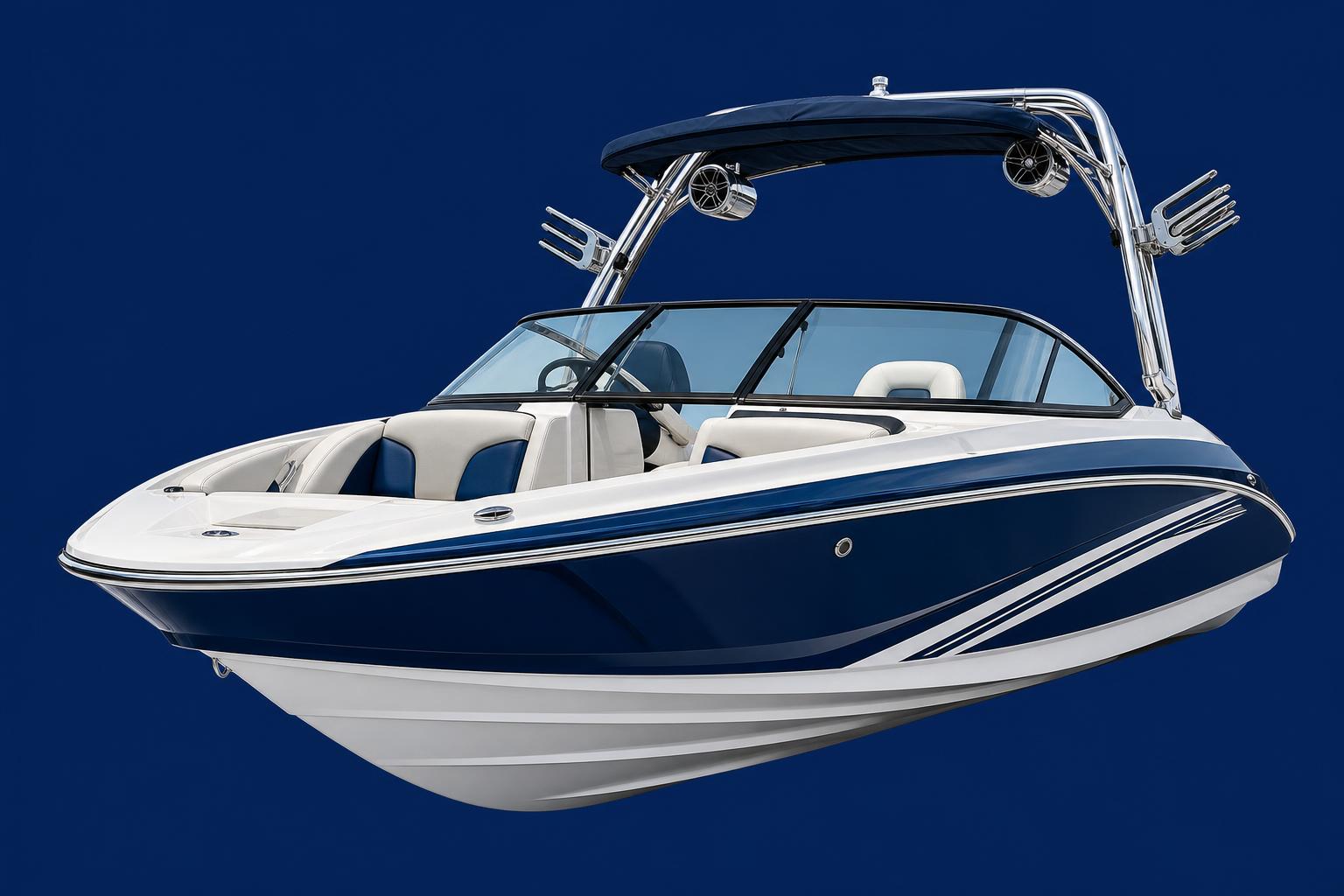
K01 – Recreational and High Speed Craft
An engineering-focused course structure on hydrofoils, air cushion vehicles, hard chine planing craft, and the source-documented high-speed craft context for multi-hull powering. It is based strictly on the attached module documents and keeps the coverage aligned to the material provided.
£299.00
1 hour 30 minutes
Focused, self-paced learning designed to fit around professional schedules.
Online, self-paced
Study online at a pace that fits your schedule.
7 sections
Structured curriculum sections.
English
Language of instruction for this course.
29 lessons
Focused lessons organised into a clear learning path.
Course overview
An engineering-focused course structure on hydrofoils, air cushion vehicles, hard chine planing craft, and the source-documented high-speed craft context for multi-hull powering. It is based strictly on the attached module documents and keeps the coverage aligned to the material provided.
What you will learn
Classify the main configurations and lift-control approaches used in hydrofoil craft.
Explain how air cushion vehicles generate support, stability, drag, and propulsion performance.
Apply source-document formulas and concepts to interpret ACV cushion pressure, lift fan power, and drag estimates.
Analyse the force balance, wetted geometry, and empirical prediction methods used for hard chine planing craft.
Relate speed regime, hullform choice, and the source-documented powering considerations across high-speed craft.
Skills and knowledge
Hydrofoils
Hovercraft
Planing craft
High-speed craft
Lift and drag
Stability
Power estimation
Marine propulsion
Course curriculum
Introduction
1.1 Welcome
Hydrofoils
2.1 Hydrofoil Background
2.2 Lift Control Methods
2.3 Foil Arrangements
2.4 Hydrofoil Stability
2.5 Angle and Immersion Effects
Air Cushion Vehicle Basics
3.1 ACV Types
3.2 Cushion Containment
3.3 Peripheral and Sidewall Craft
3.4 Flexible Skirt Systems
3.5 ACV Stability Mechanisms
ACV Performance and Power
4.1 Thin Jet Theory
4.2 Thick Jet Theory
4.3 Feeding States
4.4 Forward Speed Effects
4.5 Plenum Craft Flow
4.6 Cushion Pressure Levels
4.7 Lift Fan Power
4.8 Drag and Propulsion
Hard Chine Planing Craft
5.1 Planing Flow Basics
5.2 Spray Root Geometry
5.3 Force Balance
5.4 Savitsky Method
5.5 Series and Appendages
5.6 Porpoising Stability
High-Speed Craft Context
6.1 Speed and Hullform
6.2 Round Bilge Context
6.3 Multi-Hull Powering Context
Summary
7.1 Key Takeaways
Ready to enrol?
£299.00