
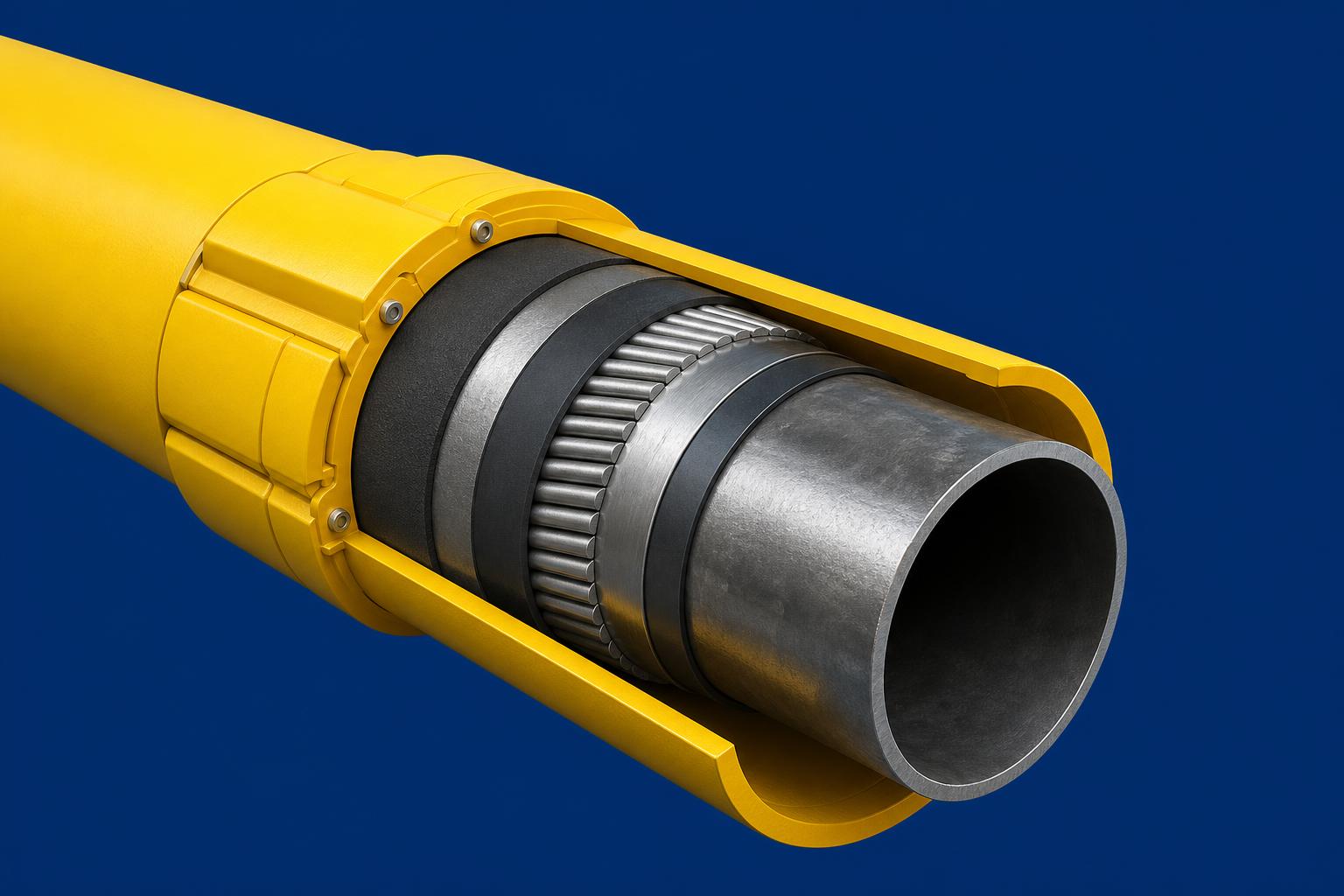
F01 – Introduction to Subsea Pipeline Systems
A source-based introduction to subsea pipeline systems built from the attached training documents. The structure covers the extractable Day 1 technical material in depth and includes a clearly flagged, source-limited overview of Day 2 topics where no full technical text was available.
£299.00
2 hours
Focused, self-paced learning designed to fit around professional schedules.
Online, self-paced
Study online at a pace that fits your schedule.
8 sections
Structured curriculum sections.
English
Language of instruction for this course.
38 lessons
Focused lessons organised into a clear learning path.
Course overview
A source-based introduction to subsea pipeline systems built from the attached training documents. The structure covers the extractable Day 1 technical material in depth and includes a clearly flagged, source-limited overview of Day 2 topics where no full technical text was available.
What you will learn
Explain the role, layout, and design process of subsea pipeline systems.
Compare major subsea pipeline installation methods and their practical trade-offs.
Identify key material standards, steel properties, and pipe manufacturing routes used in subsea pipelines.
Apply basic hydraulic design concepts to single-phase pipeline sizing decisions.
Explain core wave-mechanics concepts relevant to offshore and subsea engineering.
Recognize the main advanced design topics that shape structural integrity, fatigue, and stability assessments.
Skills and knowledge
Pipeline design
Installation methods
Pipe manufacturing
Hydraulic sizing
Wave mechanics
Structural analysis
Offshore engineering
Course curriculum
Introduction
1.1 Welcome
Pipeline Systems Overview
2.1 Course Context
2.2 Transport Options
2.3 Pipeline Characteristics
2.4 Operation PLUTO
2.5 Field Layout
2.6 Route Selection
2.7 Design Process
Installation Methods
3.1 Installation Overview
3.2 S-Lay
3.3 J-Lay
3.4 Reel-Lay
3.5 Pull-and-Tow
Pipeline Materials and Manufacturing
4.1 Carbon-Manganese Steel
4.2 Standards and Grades
4.3 Strength Requirements
4.4 Steelmaking Routes
4.5 Pipe Fabrication Methods
4.6 ERW and HFI
Hydraulic Design and Sizing
5.1 Hydraulic Design Goals
5.2 Flow Assurance Issues
5.3 Design Software
5.4 Single-Phase Flow
5.5 Pressure-Drop Modelling
5.6 Sizing Exercise
5.7 Sizing Decision
Wave Mechanics
6.1 Why Waves Matter
6.2 Wave Formation
6.3 Regular Waves
6.4 Irregular Waves
6.5 Airy Assumptions
6.6 Depth Regimes
6.7 Velocity Potential
6.8 Practice Problems
Advanced Topics Overview
7.1 Source Limitation Notice
7.2 Day 2 Topic Map
7.3 Advanced Outcomes
Summary
8.1 Key Takeaways
Ready to enrol?
£299.00