
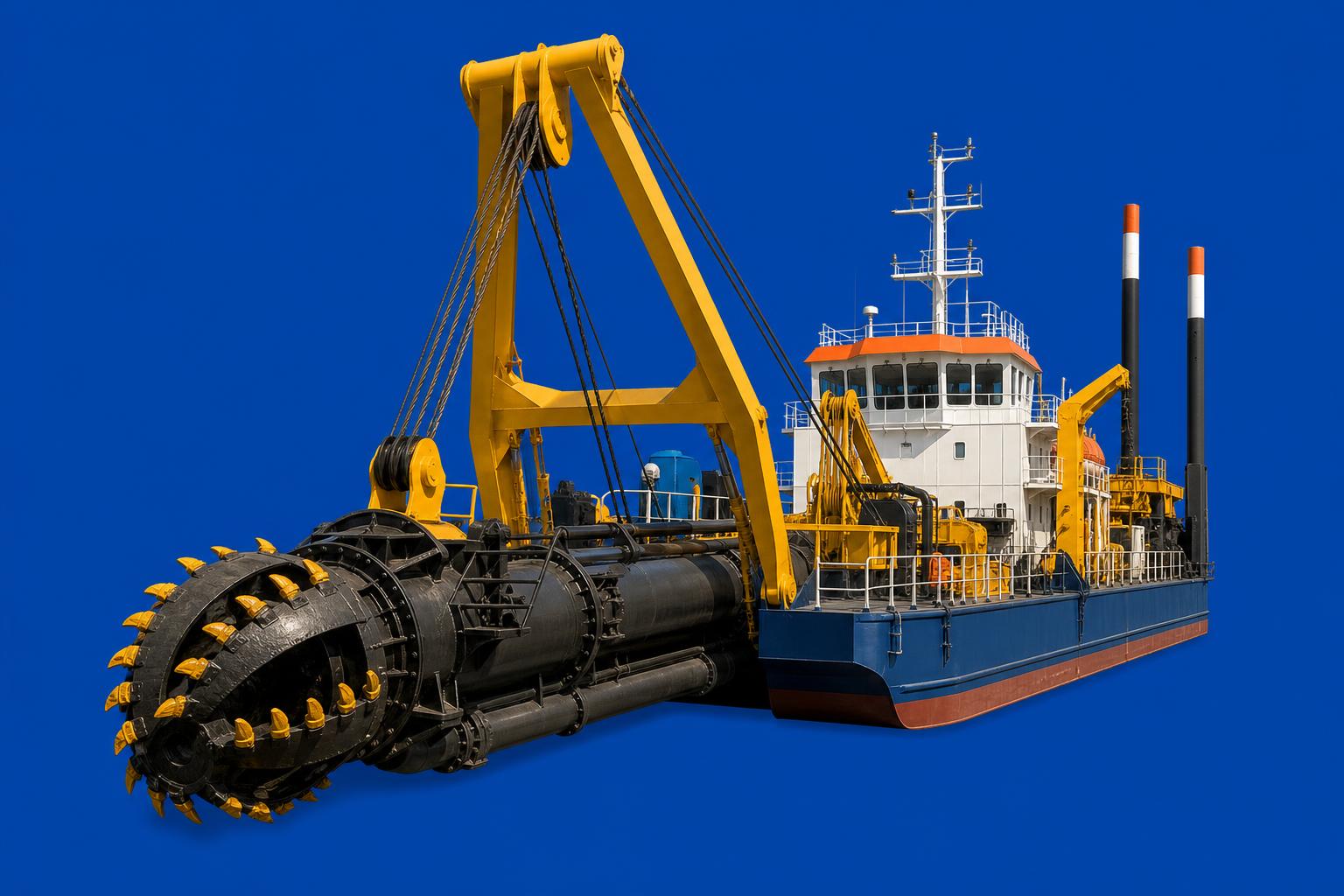
E01 – Introduction to Dredging Engineering (Dredger Types & Methods)
This course aims to build the conceptual toolkit you need to recognise dredger types on sight and connect them to real project constraints, so you can make sensible first-pass equipment choices for maintenance, capital, land reclamation and offshore work.
£299.00
20 hours
Focused, self-paced learning designed to fit around professional schedules.
Online, self-paced
Study online at a pace that fits your schedule.
9 sections
Structured curriculum sections.
English
Language of instruction for this course.
35 lessons
Focused lessons organised into a clear learning path.
Course overview
Designed for: engineering graduates looking for refresher courses in niche expert areas.
Entry requirements: an engineering degree or equivalent experience. No prior knowledge of dredging is assumed.
Learning format: self-paced online lessons with audio read-out, worked examples and comparisons, an interactive scenario, flip-card recall exercises, in-lesson checks, an AI tutor that guides rather than gives answers, and graded quizzes. This suits the aim because you can work at your own pace and test each idea before moving on.
What you will learn
Define core dredging terms, including production, excavation, transport, and deposition.
Explain the difference between hydraulic and mechanical dredging and why that distinction matters in practice.
Describe how the major dredger types excavate, position themselves, transport material, and discharge their loads.
Compare dredger types against soil suitability, depth, mobility, accuracy, and transport method.
Evaluate which dredger types are better suited to maintenance, capital, reclamation, and offshore projects.
Skills and knowledge
Dredger types
Hydraulic dredging
Mechanical dredging
Equipment selection
Project types
Marine engineering
Course curriculum
Introduction
1.1 Welcome
Dredging Fundamentals
2.1 What Dredging Does
2.2 Hydraulic and Mechanical Excavation
2.3 Mobility, History, and Projects
2.4 Choosing a Dredger
2.5 Quiz 1
Trailing Suction Hopper Dredgers
3.1 TSHD Layout
3.2 The Dredging Cycle
3.3 Overflow and Capacity
3.4 Discharge and Applications
3.5 Quiz 2
Cutter Suction Dredgers
4.1 CSD Principles
4.2 Spud-and-Swing Working
4.3 Cutting Direction and Limits
4.4 Applications and Variants
4.5 Quiz 3
Plain Suction Dredgers
5.1 PSD Principles
5.2 Breaching and Breaking In
5.3 Four PSD Types
5.4 Applications and Construction
5.5 Quiz 4
Barge Unloading and Reclamation Dredgers
6.1 What Barge Unloading Means
6.2 Working Method and Layout
6.3 Soil Limits and Uses
6.4 Quiz 5
Mechanical Dredgers
7.1 Bucket Ladder Dredgers
7.2 Grab Dredgers
7.3 Backhoe Dredgers
7.4 Mechanical Types Compared
7.5 Quiz 6
Comparing Dredger Types
8.1 Seven Types at a Glance
8.2 Selection Factors in Practice
8.3 Project Types and Equipment Choice
8.4 Quiz 7
Summary
9.1 Key Takeaways
Ready to enrol?
£299.00