
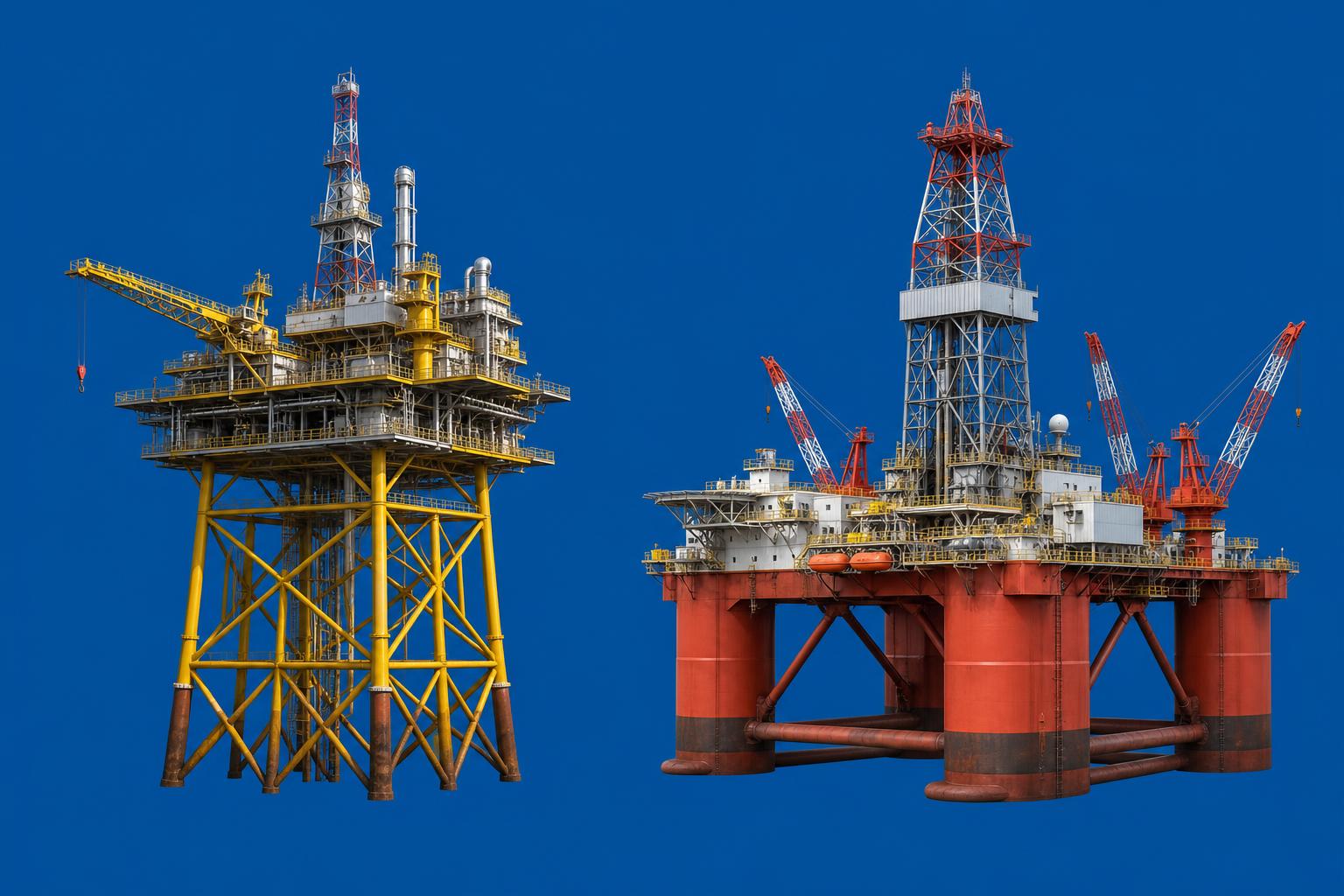
D14 – Design of Fixed and Floating Offshore Systems
This course structure synthesizes the attached offshore-systems module materials into a postgraduate-level learning pathway covering metocean design inputs, hydrodynamic loading, floating-system response, and core structural/foundation design methods. It progresses from environmental characterization through force prediction, motion response, and applied offshore design analysis.
£299.00
2 hours 1 minute
Focused, self-paced learning designed to fit around professional schedules.
Online, self-paced
Study online at a pace that fits your schedule.
10 sections
Structured curriculum sections.
English
Language of instruction for this course.
41 lessons
Focused lessons organised into a clear learning path.
Course overview
This course structure synthesizes the attached offshore-systems module materials into a postgraduate-level learning pathway covering metocean design inputs, hydrodynamic loading, floating-system response, and core structural/foundation design methods. It progresses from environmental characterization through force prediction, motion response, and applied offshore design analysis.
What you will learn
Estimate metocean design parameters and select appropriate extreme-value combinations for offshore design cases.
Apply the Morison approach to calculate wave-induced forces and rigid-body response for slender offshore structures.
Calculate steady wind and current loads using standard coefficient methods and account for shielding, solidity, and member geometry.
Explain the origin and damping control of second-order slow-drift motions in floating offshore systems.
Describe the panel-method basis of diffraction and radiation analysis for floating structures.
Apply foundation and structural-analysis principles to offshore design problems involving limit states, fatigue, torsion, composites, and transient response.
Skills and knowledge
Metocean design
Wave loading
Morison equation
Wind loading
Slow-drift motion
Panel methods
Offshore foundations
Structural analysis
Course curriculum
Introduction
1.1 Welcome
Environmental Design Considerations
2.1 Why Metocean Data Matters
2.2 Return Period and Risk
2.3 Wind and Wave Characterisation
2.4 Currents and Combined Extremes
2.5 Quiz 1
Wave Loading and Response
3.1 When Morison Applies
3.2 Wave Force Components
3.3 Equation of Motion
3.4 Worked Response Example
3.5 Quiz 2
Wind and Current Forces
4.1 General Wind Force Equation
4.2 API and ABS Methods
4.3 Solidity and Shielding
4.4 Worked Wind Examples
4.5 Quiz 3
Second-Order Wave Drift
5.1 Origins of Slow Drift
5.2 Drift-Force Spectra
5.3 Resonance and Damping
5.4 Design Implications
5.5 Quiz 4
Panel Method for Diffraction
6.1 Why Panel Methods Matter
6.2 Velocity Potential Formulation
6.3 Panels to Forces
6.4 Validation and Limits
6.5 Quiz 5
Offshore Foundations
7.1 Foundation Design Context
7.2 Bearing and Sliding Checks
7.3 Elastic Footing Stiffness
7.4 Quiz 6
Design Problem Sets
8.1 Approaching Assignment Problems
8.2 Integrated Loading Problems
8.3 Design Problem Review
8.4 Quiz 7
Structural Analysis Topics
9.1 Limit States and Fatigue
9.2 FEM Basis
9.3 Thin-Walled Torsion
9.4 Composite Laminate Coupling
9.5 Newmark Beta Response
9.6 Quiz 8
Summary
10.1 Key Takeaways
Ready to enrol?
£299.00