
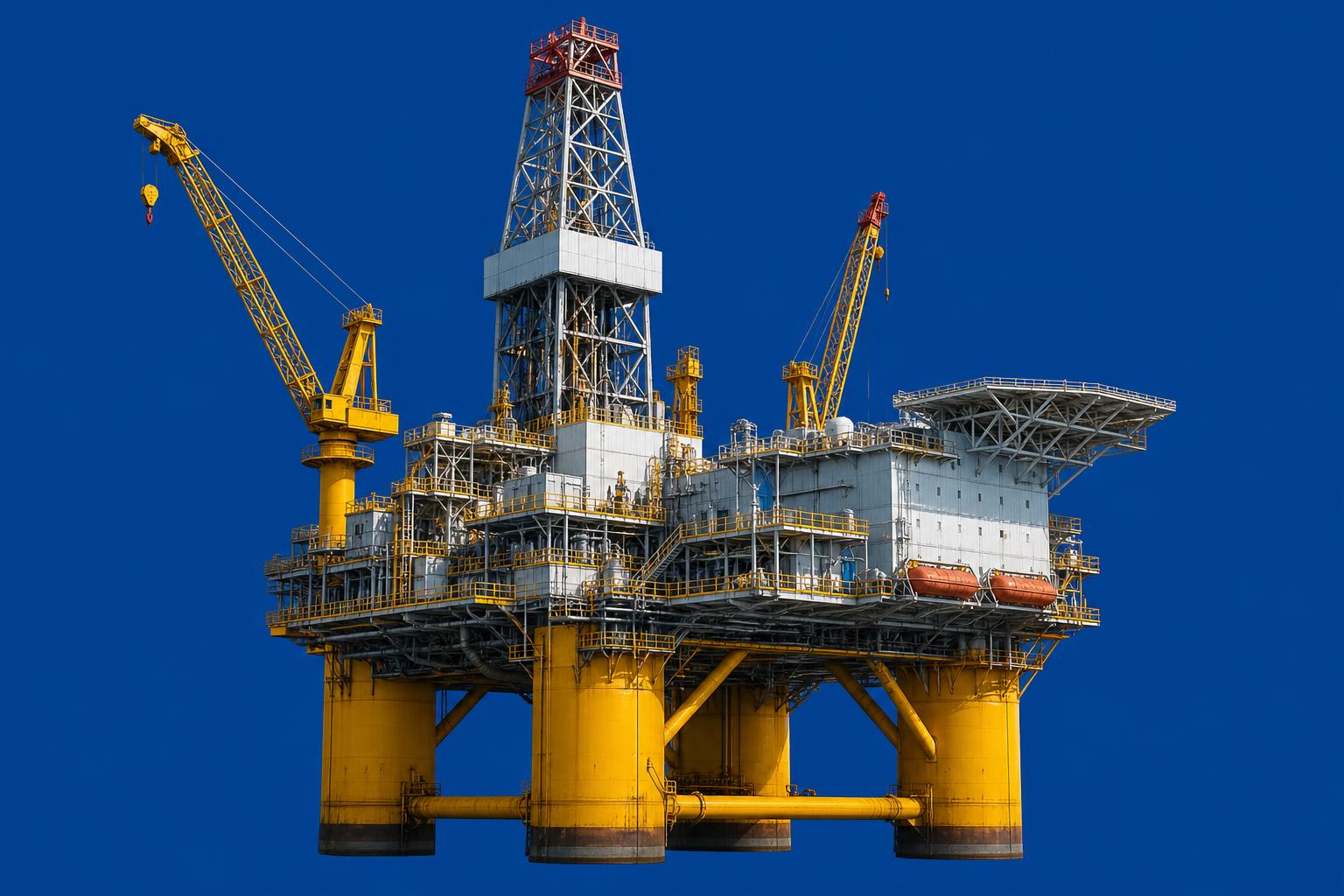
D01 – Offshore Engineering Fundamentals
Give new offshore professionals a practical grounding in offshore engineering concepts, structures, systems and safety, so that you can explain offshore environments and loads, distinguish major structure and hull types, and describe stability, mooring, fatigue, drilling, pipelines, subsea systems, safety and offshore wind developments.
£299.00
20 hours
Focused, self-paced learning designed to fit around professional schedules.
Online, self-paced
Study online at a pace that fits your schedule.
11 sections
Structured curriculum sections.
English
Language of instruction for this course.
Quiz count: 8 total
Knowledge checks and assessed activities.
45 lessons
Focused lessons organised into a clear learning path.
Course overview
Designed for: engineering graduates looking for refresher courses in niche expert areas.
Entry requirements: an engineering degree or equivalent experience; no offshore-specific background is assumed, though basic engineering mechanics (loads, stability, fatigue) helps.
What you will learn
Describe the offshore environment and explain how environmental conditions influence engineering decisions.
Classify major offshore structures, floating hulls, drilling units, pipelines, and subsea systems by function and operating context.
Apply basic concepts of loads, dynamics, stability, mooring, fatigue, and safety to offshore engineering scenarios.
Interpret the principal design considerations for drillships, marine pipelines, subsea developments, and offshore wind projects.
Evaluate how environmental hazards, installation constraints, and lifecycle risks shape offshore project development.
Skills and knowledge
Offshore environment
Structural loads
Floating structures
Mooring and stability
Subsea engineering
Offshore safety
Offshore wind
Course curriculum
Offshore Engineering Orientation
1.1 Welcome
Offshore Environment
2.1 Working Beyond the Shoreline
2.2 Environmental Design Conditions
2.3 Quiz 1 (quiz)
Loads and Structural Dynamics
3.1 Where Offshore Loads Begin
3.2 Static and Dynamic Effects
3.3 Wave, Wind, and Current
3.4 Structural Response Basics
3.5 Resonance and Damping
3.6 Quiz 2 (quiz)
Structures and Floating Systems
4.1 Functional Profiles Offshore
4.2 Fixed Structure Families
4.3 Floating Hull Configurations
4.4 Selecting a Floating Concept
4.5 Cold-Region Design Responses
4.6 Structures and Systems Check
4.7 Quiz 3 (quiz)
Stability and Mooring
5.1 Floating Stability Essentials
5.2 Mooring Systems and Restraint
5.3 Quiz 4 (quiz)
Fatigue and Structural Integrity
6.1 Why Offshore Structures Fatigue
6.2 Cyclic Damage Mechanisms
6.3 Fatigue Assessment Pathways
6.4 Managing Uncertainty in Life
6.5 Fatigue Integrity Check
6.6 Quiz 5 (quiz)
Drillships and Marine Operations
7.1 Drillship Mission and Layout
7.2 Drilling Systems at Sea
7.3 Drillship Design Tradeoffs
7.4 Marine Operations Interface
7.5 Quiz 6 (quiz)
Pipelines and Subsea Systems
8.1 Marine Pipeline Functions
8.2 Subsea Architecture
8.3 Installation and Intervention
8.4 Quiz 7 (quiz)
Safety in Offshore Engineering
9.1 Offshore Hazards and Barriers
9.2 Safety-Critical Engineering Decisions
9.3 Quiz 8 (quiz)
Offshore Wind Engineering
10.1 Offshore Wind System Basics
10.2 Wind Turbine Dynamics
10.3 Wind Farm Installation
10.4 Developing Offshore Wind Projects
10.5 Offshore Wind Planning Task
10.6 Quiz 9
Summary
11.1 Key Takeaways
Ready to enrol?
£299.00