
B08 – Design of Auxiliary Systems
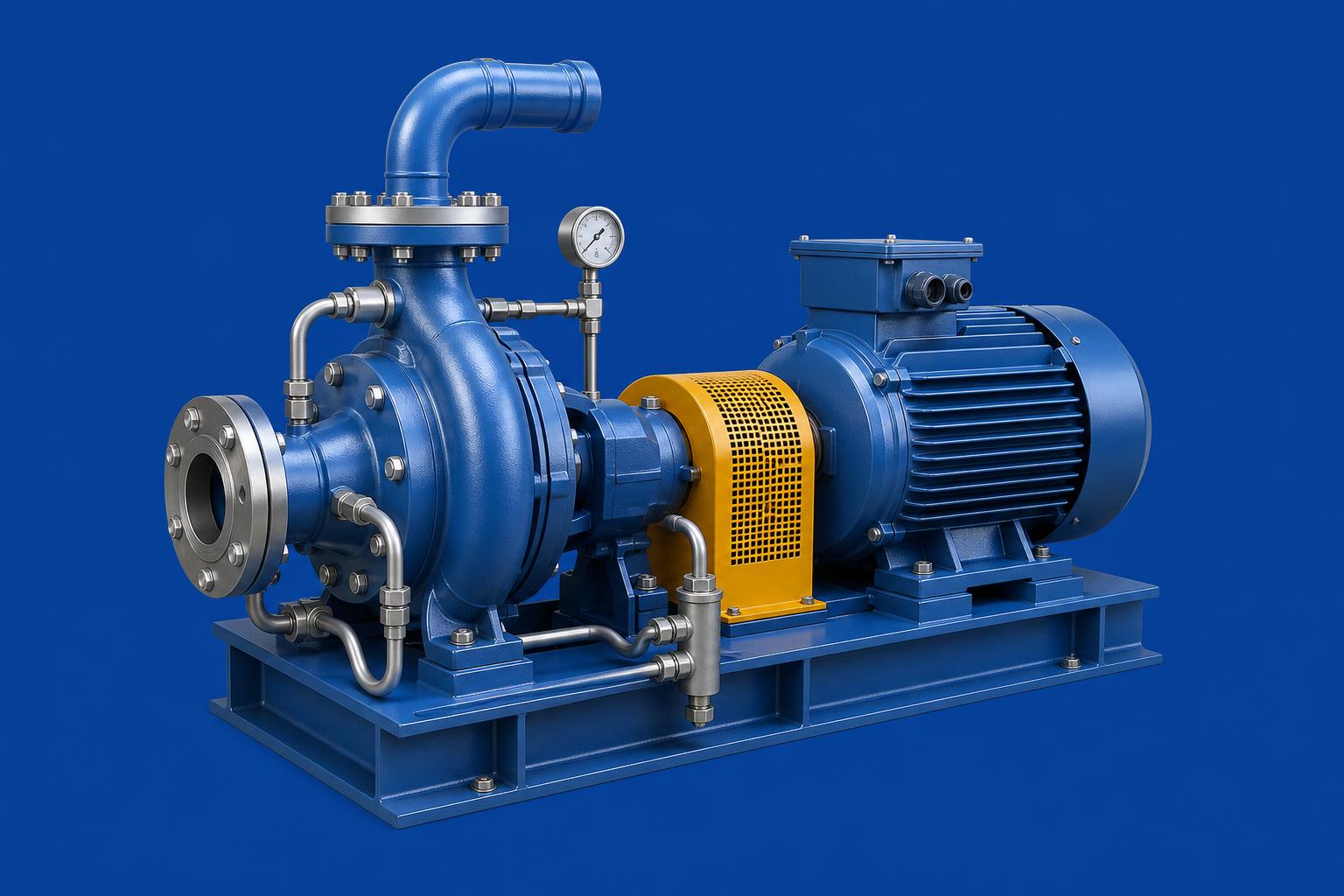
This course aims to introduce the design of ship auxiliary systems - systems architecture, core component types, major onboard support systems and pump-system behaviour - moving from functional decomposition and redundancy choices to evaluating layouts and operating characteristics.
£299.00
20 hours
Focused, self-paced learning designed to fit around professional schedules.
Online, self-paced
Study online at a pace that fits your schedule.
13 sections
Structured curriculum sections.
English
Language of instruction for this course.
62 lessons
Focused lessons organised into a clear learning path.
Course overview
1. Explain how ship missions translate into functions, systems, subsystems and components.
2. Compare redundancy strategies and distribution network architectures for essential onboard services.
Designed for: engineering graduates looking for refresher courses in niche expert areas.
Entry requirements: an engineering degree or equivalent experience, plus basic fluid mechanics (pressure, flow, Bernoulli) and some familiarity with ship machinery.
Learning format: self-paced online lessons with audio read-out, a worked system exercise and worked example on the pump operating point, interactive tabs and flip cards, in-lesson checks, an AI tutor to answer questions as you go, and graded quizzes. This suits the aim because the course covers many systems, so short interactive summaries and checks after each system keep the design logic clear.
What you will learn
Explain how ship missions translate into functions, systems, subsystems, and components.
Compare redundancy strategies and distribution network architectures for essential onboard services.
Differentiate major pump, compressor, valve, and heat exchanger types by characteristics and application.
Evaluate design considerations for propulsion support, survival, hotel, and general support systems.
Interpret pump and system head relationships to determine operating behavior in marine auxiliary systems.
Skills and knowledge
Systems engineering
Marine auxiliaries
Pump selection
Heat exchangers
Redundancy design
Distribution networks
Cooling systems
Fuel systems
Course curriculum
Introduction
1.1 Welcome
Systems Engineering Foundations
2.1 From Mission to Systems
2.2 Basic Physics Refresher
2.3 Redundancy Principles
2.4 Functional and Spatial Redundancy
2.5 Quiz 1
2.6 Quiz 2
Distribution System Architecture
3.1 Energy Distribution Basics
3.2 Sources, Consumers, and Structure
3.3 Radial and Tree Networks
3.4 Double Supply and Ring Systems
3.5 Quiz 3
Pumps and System Components
4.1 Pump Families
4.2 Centrifugal Pumps
4.3 Displacement Pumps
4.4 Selecting Pump Types
4.5 Valves and Actuators
4.6 Quiz 4
Compressors and Heat Exchangers
5.1 Compressor Types
5.2 Compressor Applications
5.3 Heat Exchanger Types
5.4 Flow Arrangements and Comparison
5.5 Quiz 5
Design Principles and Cooling Systems
6.1 General Layout Principles
6.2 Cooling Water System Overview
6.3 HT Cooling Design
6.4 LT Cooling Variants
6.5 Quiz 6
Lubrication and Fuel Systems
7.1 Lubrication Functions
7.2 Engine and Gearbox Lubrication
7.3 Oil Transport and Cleaning
7.4 Fuel Supply Systems
7.5 Fuel Cleaning and Treatment
7.6 Quiz 7
Hydraulic and CPP Systems
8.1 Hydraulic Oil Systems
8.2 CPP Hydraulic Layout
8.3 Mechanical and Electrical Feedback
8.4 Quiz 8
Survival Systems
9.1 Survival System Scope
9.2 Bilge and Ballast Principles
9.3 Bilge System Design
9.4 Ballast and Fire-Fighting Systems
9.5 Quiz 9
Hotel Systems
10.1 Hotel System Functions
10.2 Fresh Water Production
10.3 Fresh Water Distribution
10.4 Waste Water Systems
10.5 Quiz 10
Support Systems and Thermal Services
11.1 Support System Overview
11.2 Thermal Oil Systems
11.3 Waste Heat and Steam Context
11.4 Compressed Air and Storage Services
11.5 Fuel and Oil Loading Transport
11.6 Quiz 11
Pump and System Characteristics
12.1 Pressure and Bernoulli
12.2 Losses, Pump Head, and System Head
12.3 Operating Point
12.4 Series and Parallel Operation
12.5 Worked System Exercise
12.6 Pump Operating Point Worked Example
12.7 Quiz 12
Summary
13.1 Key Takeaways
Ready to enrol?
£299.00