
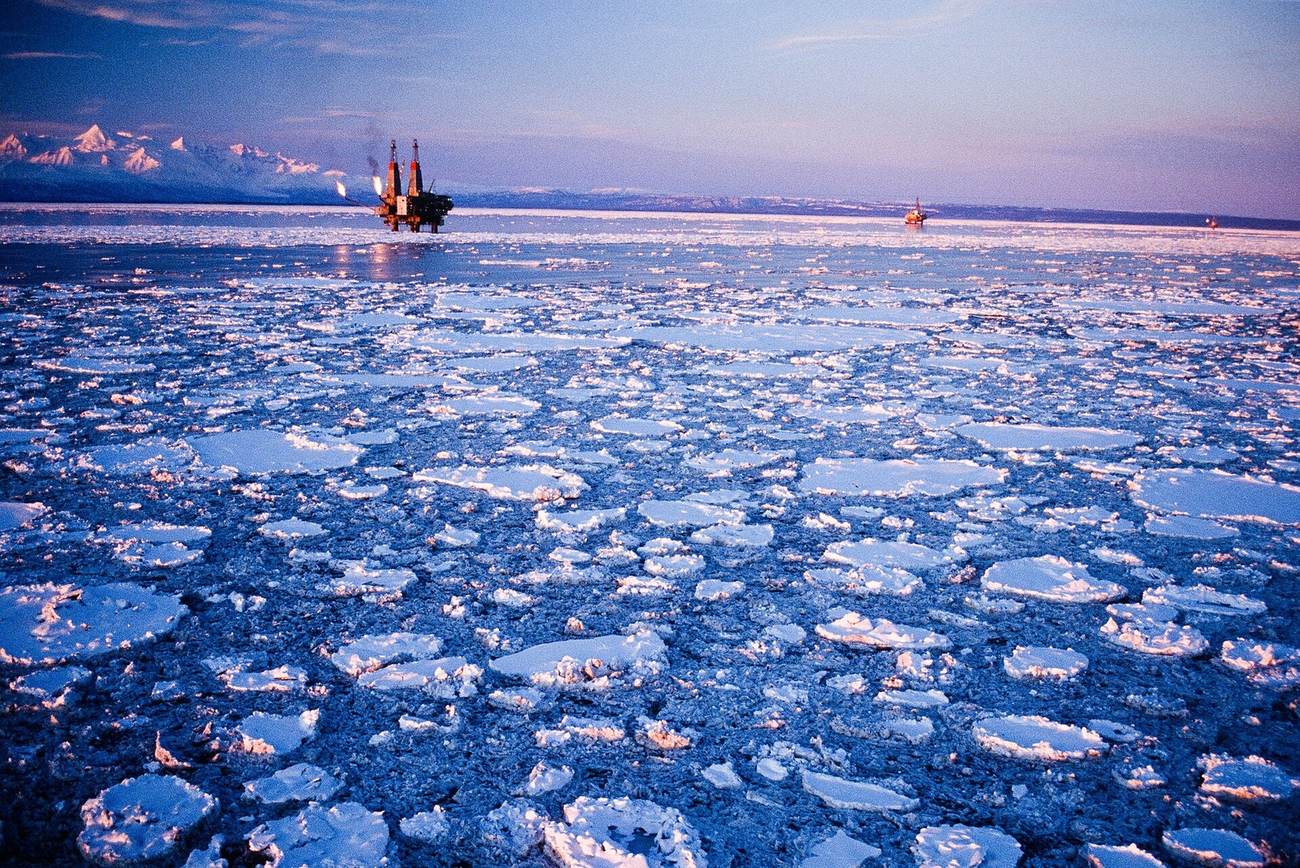
This course is an applied follow-on to Arctic Offshore Engineering Part 1. It covers sea ice formation and classification, regional Arctic and iceberg conditions, continuum and fracture mechanics for ice actions, ice loads on vertical and sloping structures under ISO methods, and how ice actions are combined with other loads within code frameworks. It then addresses atmospheric and sea-spray icing, ice management strategies, dynamic positioning in ice and ice tank testing, wave physics in the marginal ice zone, permafrost, cryopegs and coastal thermoabrasion with transition-zone structures, petroleum engineering and development strategy in the Arctic, preparedness and oil spill response, and finishes with an integrated field development case study. The course connects theory and field practice, helping learners reason through the full set of technical, environmental and logistical challenges of an Arctic project.
Course at a glance: Duration 20 hours · Self-paced online · 16 sections, 60 lessons, a 265-page downloadable course book
What you will learn
- Describe ice crystal structure, sea ice formation, growth, substructure and classification.
- Explain why climatology matters and characterise regional Arctic conditions and iceberg design bases.
- Apply continuum, elastic, creep and fracture concepts to ice mechanics and failure modes.
- Calculate ice actions on vertical and sloping structures and combine them with other loads under code frameworks.
- Explain icing physics, forecasting and countermeasures for vessels and installations.
- Evaluate ice management, DP in ice, ice tank testing and marginal ice zone wave effects.
- Assess permafrost, coastal, development, preparedness and oil spill response issues in an integrated Arctic field development.

Inside the course: a high-level summary, section by section.
Arctic development building blocks
The course opens by setting out the building blocks of an Arctic development: environmental conditions, ice and structural engineering, operations and logistics, environmental protection and regulation. It explains the delivery context and how the course connects theory with field practice, including practical considerations such as selecting equipment and clothing suited to the expected weather and planned activities.
Ice formation and classification
The ice section starts with the crystal structure of ice and how sea ice forms as seawater freezes. Growth and substructure explain the development of granular surface ice and columnar ice beneath, with brine channels that drain over time. Classification systems describe ice by stage of development, form and origin, from new ice and young ice to first-year and multi-year ice, along with types such as superimposed ice that forms on top of an existing cover and ridged or rafted ice formed by deformation.
Regional conditions and icebergs
Climatology matters because design depends on the statistics of ice and weather at a specific site. Regional conditions in the Barents, Pechora and Kara Seas are described as examples of contrasting ice regimes, temperatures and water depths. Icebergs and their design basis are discussed, including how iceberg size and drift probabilities are used to define design and accidental events.
Ice mechanics and fracture
A continuum description of ice introduces stress and strain, elastic behaviour and creep, and rheological models describe time-dependent deformation. Stress components are defined for ice loading problems. The fracture framework explains how cracks initiate and propagate, the ductile-to-brittle transition as loading rate increases, and how failure modes such as crushing, flexure and splitting are treated in design.
Ice actions and load combinations
Load mechanisms for ice on structures are reviewed, followed by methods for vertical and sloping structures and ISO approaches for global and local ice actions. Combination principles explain how ice actions are combined with other environmental and functional loads, and code frameworks set out partial factors and design checks. A worked design check demonstrates the process.
Icing
Atmospheric and sea-spray icing can accumulate on vessels and installations, adding weight, raising the centre of gravity, blocking equipment and creating slip hazards. The course explains icing physics, forecasting methods and consequences, and countermeasures such as heating, covers, design for drainage and manual removal.


Ice management, DP and ice tank testing
Ice management strategies use icebreakers and monitoring to reduce the size and frequency of ice features reaching a structure or vessel. Dynamic positioning in ice presents special challenges, because ice loads are large, variable and not well captured by conventional DP models. Ice tank testing provides model-scale data on ice loads and vessel performance, with appropriate scaling.
Marginal ice zone waves
The marginal ice zone, where open water meets pack ice, has distinctive wave physics: waves are attenuated by ice floes and can break up the ice cover. Interpreting response data from this zone and its engineering relevance for vessels, structures and operations are discussed.
Permafrost and coasts
Permafrost and cryopegs, layers of unfrozen saline ground within permafrost, affect foundations, pipelines and coastal facilities. Thermoabrasion, the combined thermal and mechanical erosion of frozen coasts, can cause rapid shoreline retreat. Transition-zone structures, such as pipeline landfalls and coastal terminals, must accommodate these conditions.
Petroleum engineering, development and preparedness
Petroleum engineering aspects in the Arctic include drilling, production and transport challenges, and Arctic development strategy compares concepts such as gravity-based platforms, subsea developments and floating units. A preparedness framework and oil spill response in Arctic waters address the difficulties of detecting, containing and recovering oil in ice and cold conditions.
Integrated field development
A case study brief and integrated design reasoning bring everything together, and a field development project asks learners to propose and justify a concept that addresses ice, environment, logistics and safety.
Why this matters in practice
Arctic projects involve high costs, long lead times and limited tolerance for error. Engineers who can integrate ice mechanics, structural design, operations and environmental protection are essential to safe and responsible Arctic development. The breadth of this course reflects reality: an Arctic project can be undermined as easily by coastal erosion at a pipeline landfall, icing on a helideck or an inadequate spill response plan as by an underestimated ice load. Learning to weigh these issues together, and to recognise which ones govern a particular concept, is the key skill the integrated case study is designed to build.
Key takeaways
You leave able to describe ice formation and regional conditions, apply ice mechanics and code-based ice actions, address icing, ice management, DP in ice and permafrost issues, and reason through an integrated Arctic field development.
How you study
The course is delivered fully online and is self-paced, so you can fit roughly 20 hours of study around professional commitments. Lessons combine clear explanation with examples, diagrams and short interactive checks, and the main sections end with graded quizzes (14 in total) so you can confirm you can apply each method before moving on. A 265-page course book can be downloaded and printed for offline reading and later reference.
Course contents
- Course Context: Why Arctic Offshore; Development Building Blocks; Course Delivery Context
- Sea Ice Formation: Ice Crystal Structure; Sea Ice Formation; Growth and Substructure; Classification of Ice
- Regional Ice Conditions: Why Climatology Matters; Barents Sea Conditions; Pechora and Kara Seas; Icebergs and Design Basis
- Ice Continuum Mechanics: Continuum Description; Elastic Behaviour; Creep and Rheology; Stress Components
- Fracture Mechanics: Fracture Framework; Ductile to Brittle; Failure Modes in Design
- Ice Loads: Load Mechanisms; Vertical Structures; Sloping Structures; ISO Ice Actions
- Load Combinations: Combination Principles; Code Frameworks; Worked Design Check
- Marine Icing: Icing Physics; Forecasting and Consequences; Countermeasures
- Ice Operations: Ice Management Strategies; Dynamic Positioning in Ice; Ice Tank Testing
- Wave-Ice Interaction: MIZ Wave Physics; Interpreting Response Data; Engineering Relevance
- Coastal Geotechnics: Permafrost and Cryopegs; Thermoabrasion and Coasts; Transition Zone Structures
- Field Development Planning: Petroleum Engineering Aspects; Arctic Development Strategy
- Emergency Preparedness: Preparedness Framework; Oil Spill Response in Arctic Waters
- Arctic Case Study: Case Study Brief; Integrated Design Reasoning; Field Development Project
- Summary: Key Takeaways
Who this course is for
This course is for engineering graduates and practising offshore, structural, naval, geotechnical and environmental engineers working on Arctic and cold-region projects. It builds on Arctic Offshore Engineering Part 1, and learners should be comfortable with basic ice mechanics and structural analysis.
Frequently asked questions
How long does Arctic Offshore Engineering Part 2 take?
The course is designed for about 20 hours of study. It is self-paced and fully online, so you can spread it over a few weeks or complete it more quickly.
What is covered?
The course is organised into 16 sections with 60 lessons, moving from foundations to applied methods, as summarised above.
Is there material to keep after the course?
Yes. A downloadable 265-page course book accompanies the lessons for offline reading and later reference.
How is progress checked?
Each main section closes with a graded quiz (14 in total). The quizzes test understanding of the concepts and methods explained in the lessons rather than memorisation, and you can review the relevant lessons before attempting them.
Can I record this study for my own professional development?
Yes. The course notebook includes a self-assessment of the course objectives before and after study, a reflection page and a learning log, which you can use to keep your own record of professional development.
Duration: 20 hours
Related courses: D11 – Arctic Offshore Engineering Part 1; D10 – Dynamic Positioning; D09 – Marine Pipelines; D07 – Safety in Offshore Engineering
Enrol
Study at your own pace and work through the full course material, worked examples and section quizzes. Enrol in D12 – Arctic Offshore Engineering Part 2 →
Recent Comments